
Introduction
The Tir (Tiwaz) rune is associated with order, authority, and obligation within early Germanic societies. Its meaning is grounded in the structures that govern behaviour, where agreements, hierarchy, and responsibility define how individuals and groups operate.
In historical contexts, Tir appears within inscriptions as part of a functional writing system, contributing to meaning through its placement within words and phrases rather than acting as an isolated symbol.
Tir (Tiwaz) in Historical Context
The name of the rune is linked to Tīw, a figure associated with law, governance, and the maintenance of order. In the early medieval world, authority was not abstract, but enacted through systems of obligation, where agreements were upheld and roles were clearly defined.
Order was maintained through structure and accountability rather than force alone. The Tir rune reflects this framework, where authority is tied to responsibility and the consistent application of rules.
Use in Runic Inscriptions
Tir appears within runic inscriptions as part of a structured writing system, where its role is determined by its position within names and words. Like other runes, it contributes to meaning through context and sequence rather than functioning independently.
Surviving material suggests that runic writing prioritised clarity and intent, with each character forming part of a deliberate and economical expression.
Tir (Tiwaz) in Modern Design
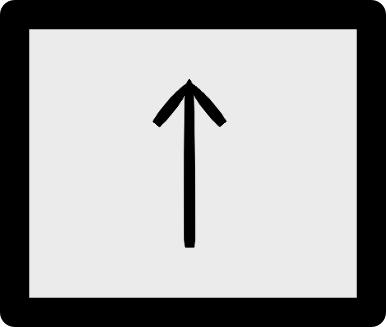
When incorporated into engraved rune rings, Tir reflects structure, alignment, and directed form. Its shape lends itself to designs that emphasise vertical orientation and clarity, reinforcing the idea of order and direction.
Each piece is developed from research into inscriptions and artefacts, then refined into a form suitable for precision engraving and everyday wear.